If you’ve searched does sigeinternacional.com have a blog, you’re likely trying to determine whether the company regularly publishes educational articles, industry updates, or business insights on its website.
Currently, there’s not readily apparent a traditional public blog for sigeinternacional.com. While the company does use the domain to showcase and announce business services and corporate news, you probably won’t stumble across a commonly updated blog archive.
This guide explains what we found, where to look for updates, and what alternatives are available if you’re searching for information from SIGE Internacional.
Understanding What SIGE Internacional Offers
Before asking does sigeinternacional.com have a blog, it’s helpful to understand the site’s primary purpose.
Many corporate websites are designed mainly to:
- Introduce the company
- Explain services
- Present industry expertise
- Provide contact information
- Share certifications
- Showcase clients or projects
Rather than investing in long-form educational content, companies in technical or industrial sectors often prioritize operational information over frequent blogging.
That appears to be the case here.
Why Some Companies Don’t Maintain a Blog
Not every organization benefits equally from publishing weekly articles.
A company may choose not to operate a blog because it prefers other communication methods such as:
- Corporate news releases
- LinkedIn updates
- Technical documentation
- Product catalogs
- Customer support resources
- Industry events
- Email newsletters
- Case studies
For B2B businesses, these formats often provide more value than general blog posts.
Signs That a Website Has a Blog
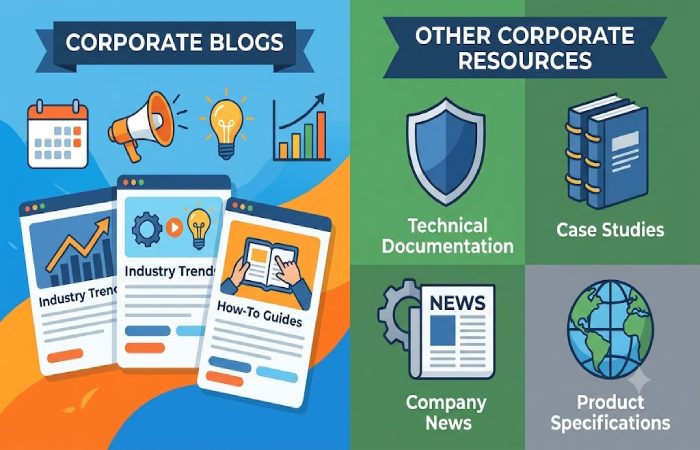
If you’re trying to verify does sigeinternacional.com have a blog, here are common indicators to check.
| Indicator |
Usually Found |
| Blog menu |
Navigation bar |
| Articles |
Individual post pages |
| Categories |
Sidebar or menu |
| Search by topic |
Blog section |
| Recent posts |
Homepage widgets |
| Archive by month |
Blog footer |
| Author profiles |
Article pages |
| Reading time |
Blog content |
If these elements are absent, the website may not operate a traditional blog.
What Content Can You Find Instead?
Even without a dedicated blog, business websites frequently publish valuable resources.
Company Information
Visitors can usually learn about:
- Business history
- Mission
- Services
- Industries served
- Certifications
- Contact details
Product Information
Many organizations prioritize detailed service pages instead of blog articles.
These often include:
- Features
- Specifications
- Benefits
- Technical capabilities
Client Resources
Depending on the company, visitors may find:
- Brochures
- Downloads
- PDFs
- Product manuals
- Service documentation
Why People Search “Does Sigeinternacional.com Have a Blog”
Several reasons explain why users search this question.
| User Intent |
Explanation |
| Researching the company |
Looking for credibility |
| Learning about services |
Educational resources |
| Finding tutorials |
How-to articles |
| Industry updates |
News and trends |
| Customer support |
Helpful documentation |
| Business evaluation |
Expertise assessment |
Understanding the search intent helps determine whether a blog is the only resource needed.
Benefits of Having a Corporate Blog
Even if the answer to does sigeinternacional.com have a blog is currently “not publicly available,” maintaining one offers several advantages.
Improved Customer Education
Blogs help answer common questions before potential customers contact sales teams.
Examples include:
- Product explanations
- Industry terminology
- Best practices
- Maintenance guides
Better Search Visibility
Search engines reward helpful, informative content.
Regular blogging can increase:
- Organic traffic
- Keyword rankings
- Featured snippets
- AI Overview visibility
Increased Brand Authority
Publishing expert insights demonstrates industry knowledge and builds trust.
Alternatives to a Traditional Blog
Some companies replace blogs with other valuable resources.
Resource Centers
A centralized knowledge hub may include:
- Whitepapers
- Research reports
- FAQs
- Documentation
News Pages
Corporate announcements often cover:
- Company milestones
- Awards
- Partnerships
- Product launches
Knowledge Bases
Support-focused organizations may maintain searchable help centers rather than blogs.
How to Check for Future Blog Updates
If you’re wondering whether the situation may change, here are several places worth checking periodically.
| Location |
What to Look For |
| Website navigation |
Blog or Resources |
| Footer |
News links |
| Search function |
Articles |
| Sitemap |
Blog URLs |
| Company announcements |
Recent updates |
| Social media |
Shared articles |
Companies sometimes launch blogs as part of broader marketing initiatives.
Does Every Business Need a Blog?
The answer depends on business goals.
Businesses That Benefit Most
- SaaS companies
- Marketing agencies
- Healthcare organizations
- Educational institutions
- Technology firms
- Financial services
These industries often rely heavily on educational content.
Businesses That May Prioritize Other Resources
Some organizations gain more value from:
- Product documentation
- Technical manuals
- Customer portals
- Training materials
- Sales presentations
In such cases, a traditional blog may be less essential.
Comparing a Blog With Other Content Formats
| Content Type |
Purpose |
Update Frequency |
| Blog |
Education |
Weekly or monthly |
| News |
Announcements |
Occasional |
| FAQ |
Customer support |
As needed |
| Documentation |
Technical guidance |
Product updates |
| Case studies |
Success stories |
Periodic |
| Whitepapers |
Research |
Less frequent |
Each format serves different user needs.
What Should You Do If You Can’t Find a Blog?
If your goal is learning more about the company, consider these alternatives:
- Explore every service page.
- Check the News or Updates section.
- Review downloadable documents.
- Visit official social media profiles.
- Contact the company directly for technical information.
- Look for webinars or presentations.
These resources often provide the same value that a blog would.
How Businesses Can Improve Without a Blog
Organizations without a public blog can still strengthen their online presence by publishing:
| Content Idea |
Benefit |
| Industry insights |
Build authority |
| Customer guides |
Improve user experience |
| Frequently asked questions |
Reduce support requests |
| Case studies |
Demonstrate expertise |
| Best practices |
Increase trust |
| Product tutorials |
Educate customers |
| Compliance updates |
Keep clients informed |
Adding educational resources can also improve visibility in AI-powered search experiences.
Frequently Asked Questions
Does sigeinternacional.com have a blog?
Based on publicly available information at the time of writing, there is no clearly identifiable dedicated public blog on the website.
Does that mean the company never publishes updates?
Not necessarily. Many companies share updates through news pages, social media, downloadable resources, or corporate announcements rather than a traditional blog.
Can I still learn about the company’s services?
Yes. Corporate websites typically provide detailed service pages, company information, and contact details even without maintaining a blog.
Why would a company avoid having a blog?
Some organizations focus on technical documentation, client resources, or direct communication instead of producing regular editorial content.
Could a blog be added later?
Yes. Websites evolve over time, and many businesses introduce blogs or resource centers as their content strategy expands.
Final Verdict
If your query is a blog on sigeinternacional.com, then, based on the info gathered, no, a blog is not being visibly used at sigeinternacional.com, and the business seems rather aimed toward the provision of information on business entities and services.
On the flip side, just because there is no conventional blog doesn’t mean they lack know-how. Lots of companies use the medium of documentation, press releases, client support sections, and professional networking sites as opposed to a blog.
Check out the company’s website from time to time if you are interested in useful resources-as content strategies develop, new sections (or pages dedicated to them) are added to sites quite often.